

The Clean A** Dispatch
Back at Square One: The Friction in America’s Bidet Upgrade
We chose hands-free cleansing… then reached for paper to finish the job.
You upgraded from wiping. You brought water into the ritual. You felt the difference. And then you reached for paper.
Because for many people, the wash is modern — but the finish still feels traditional.
In a culture built on touchless convenience, that contrast stands out. The wash evolved. The dry didn’t.
Maybe the next shift isn’t about cleaning.
Maybe it’s about rethinking the final step.
2034 Is Coming: Will Utah’s Infrastructure Be Ready for the World?
In 2034, Utah will welcome the world. The Winter Olympics will showcase athletic strength and endurance, but they will also reveal something quieter and just as important: whether our infrastructure reflects global standards. Every visitor will form impressions not only in stadiums and ski venues, but in airports, hotels, and public restrooms. Sustainability, sanitation, and hospitality are no longer background details. They are part of the global scorecard. Research shows that tissue production carries measurable environmental impact, and international policy frameworks now require sustainability integration in Olympic planning. When the world arrives, Utah will not only be judged on performance in competition, but on the systems that support everyday life. The question is whether those systems reflect historical habit or modern evidence.

The Beginning of Something Better
Clear hygiene standards can shape how everyday spaces are designed and experienced. When outcomes are better defined, routines may become simpler, environments easier to maintain, and personal care more intuitive. Progress begins when hygiene is designed with purpose rather than inherited by habit.

WHY “DONE” AND “CLEAN” AREN’T THE SAME THING
For generations, “clean” after using the toilet has been judged by appearance alone. When hygiene becomes a standard, clarity replaces guesswork.

WATER NEVER LOSES: WHY THE OLDEST CLEANING TOOL STILL WINS
From the earliest days of humanity, water has been used to care for and clean the human body. Across cultures and climates, it remains the most reliable way to clean because it works with the body rather than against it.
THE DISCIPLINE OF CLEAN: Wildly Clean Is a Standard
Without standards, hygiene remains subjective. With standards, it becomes measurable. This piece outlines why modern hygiene requires discipline, how compliance is evaluated, and why defining completion comes before solutions.
Modern Hygiene Standards (v1.0)
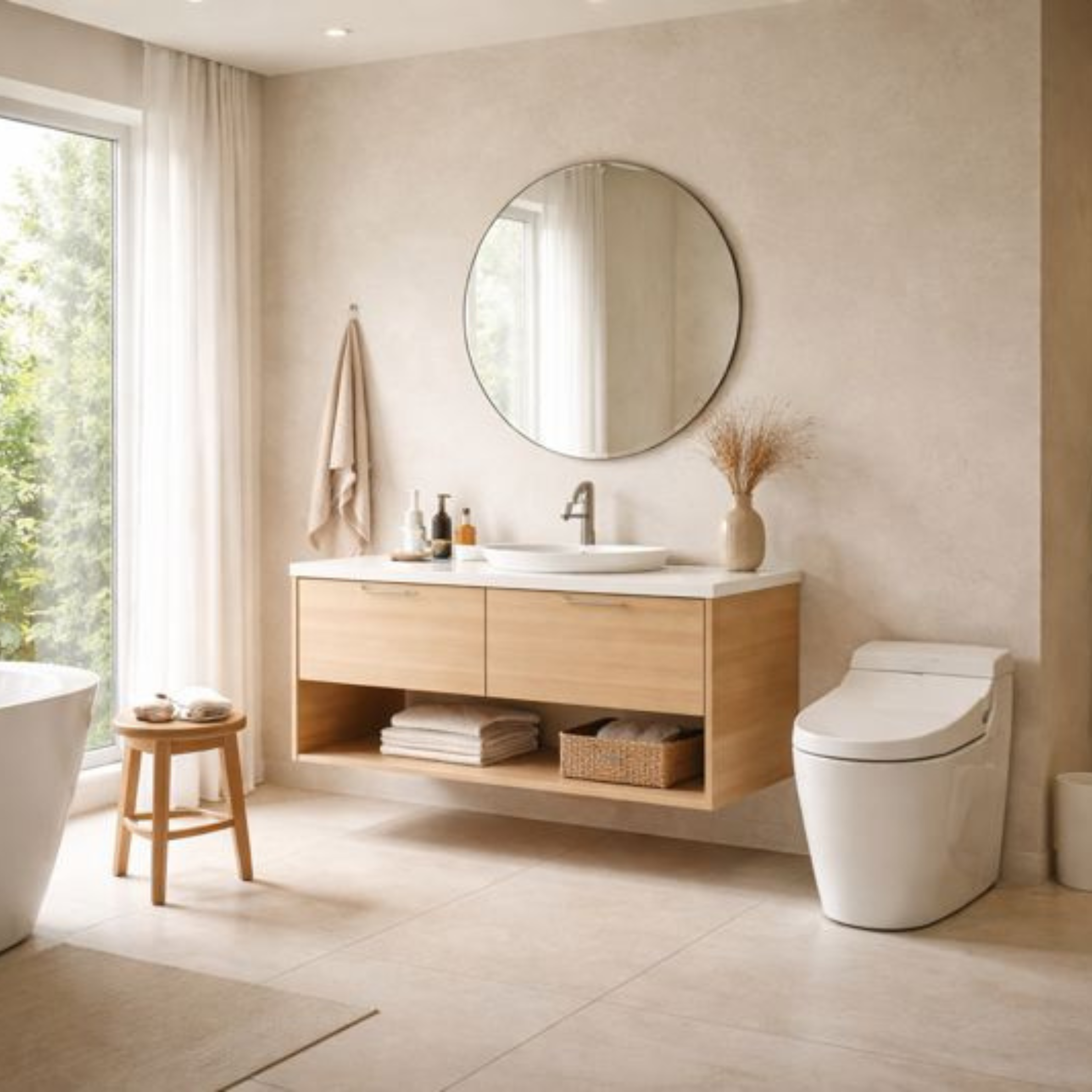
The Modern Hygiene Standards (v1.0) are published below in full. This document defines baseline requirements for personal hygiene systems, environments, and routines in contemporary living settings.

Perforated Sovereignty: A Birthday Tribute to the American Way of Hygiene
America didn’t choose toilet paper. We inherited it. A sharp, cultural look at how privacy, habit, and inertia turned dry wiping into an unquestioned national ritual—and why that’s finally changing.
So, What the Bidet Is a Bidet?
Bidets aren’t weird—wiping is. Learn what a bidet actually is, the different types available, and why more people are rethinking dry toilet paper alone.

Your Flush Costs More Than You Think: The Hidden Environmental Impact Most People Never Hear About
Toilet paper seems harmless… until you pull back the curtain.
A range of published industry studies show that conventional tissue production can be pretty resource-intensive — from substantial forest inputs to notable water use and energy-heavy manufacturing steps.
This Dispatch breaks down the patterns most often highlighted in that research and maps where environmental impacts frequently concentrate. And yes — alternative fibers like bamboo may ease the pressure on virgin wood when the growing, pulping, and transport conditions line up.
Zoom out with us. The plot thickens fast.
The Culture of Friction: How Tradition Kept America Dry-Wiping
America prides itself on being clean, yet somehow decided the dirtiest part of the body deserves nothing more than a dry, medieval piece of paper. The Dry-Wipe Dogma wasn’t a choice—it was a century-long smear campaign built on plumbing quirks, marketing genius, and wartime shame. Water didn’t lose because it was inferior. It lost because America got embarrassed.
The Great Smear Campaign: How Dry-Wipe Dogma Got So Deep in Our Heads
We launched the Clean A** Revolution to challenge America’s most stubborn bathroom habit: dry wiping. This psychology-backed rebellion rewires the hygiene reflex through Aspire → Adopt → Automate.

The Drying Problem We’re AIMING TO Solve
We launched the Clean A** Revolution to challenge America’s most stubborn bathroom habit: dry wiping. This psychology-backed rebellion rewires the hygiene reflex through Aspire → Adopt → Automate.
Launched: we’re Coming for America’s Most Stubborn Habit
We launched the Clean A** Revolution to challenge America’s most stubborn bathroom habit: dry wiping. This psychology-backed rebellion rewires the hygiene reflex through Aspire → Adopt → Automate.